
Forget the chatbot hype. Most leaders still think AI means customer service scripts and voice assistants. But AI automation is quietly reshaping how businesses manage supply chains, finance, marketing, and more—without fanfare. In this post, you’ll see practical AI use cases in logistics, finance, and creative workflows that could change how your business runs every day. Learn more about AI use cases beyond chatbots.
AI is no longer just a customer-facing tool. It’s becoming the nervous system of modern business operations, working behind the scenes to boost efficiency and drive growth.
Picture this: Your supply chain anticipates problems before they happen. That’s the power of AI in logistics.
AI analyzes countless data points—from weather forecasts to traffic patterns—to optimize shipping routes in real-time. This means fewer delays, lower fuel costs, and happier customers.
One major retailer cut delivery times by 30% after implementing AI-driven logistics. The result? Millions saved and a significant edge over competitors.
Discover how AI is transforming supply chain management
Gone are the days of waiting weeks for financial reports. AI brings lightning-fast insights to your bottom line.
These systems flag unusual transactions instantly, forecast cash flow with surprising accuracy, and spot cost-saving opportunities you might miss. It’s like having a tireless financial analyst working 24/7.
A mid-sized manufacturing firm used AI to reduce invoice processing time by 80%. This freed up their finance team to focus on strategic planning instead of data entry.
Forget writer’s block. AI is supercharging marketing teams’ creative output.
Modern AI tools can generate hundreds of ad variations, test them in real-time, and identify top performers. This frees up human creatives to focus on big-picture strategy and storytelling.
One e-commerce brand saw a 50% boost in ad engagement after using AI to personalize product descriptions at scale. The best part? Their writers now spend more time crafting brand voice guidelines instead of writing endless variations.
Explore AI’s impact on marketing creativity
The most exciting AI applications go beyond simple task automation. They’re reshaping entire business functions.
Making smart hiring and training decisions just got easier. AI brings data-driven clarity to HR.
These tools analyze performance metrics, predict turnover risk, and identify skill gaps across your organization. This means you can build stronger teams and keep your best talent.
A tech startup used AI-powered workforce planning to reduce new hire training time by 25%. The system identified which skills new employees needed most, allowing for targeted onboarding.
Going green isn’t just good for the planet—it’s good for your bottom line. AI makes sustainability efforts measurable and profitable.
Smart systems monitor energy usage, optimize raw material consumption, and predict maintenance needs. This cuts costs while shrinking your carbon footprint.
An industrial manufacturer used AI to reduce energy waste by 15% across its factories. The savings paid for the entire system within a year.
You don’t need to overhaul everything at once. Start small and build momentum with AI.
Look for processes that are:
These are prime candidates for AI automation. Start with one area where the potential impact outweighs the risk.
A good first step? Use AI to automate your financial reporting. You’ll get faster insights without a massive overhaul of existing systems.
Clear rules and oversight are crucial for successful AI adoption.
Create an AI governance team with members from IT, legal, and key business units. Their job? To set guidelines, monitor AI performance, and ensure ethical use.
Be transparent with employees about how AI will be used. Address concerns head-on and highlight how it will make their jobs easier, not replace them.
Remember: AI is a powerful tool, but it needs human guidance to truly shine.
Learn about best practices in AI governance
The businesses that thrive in the coming years won’t just use AI—they’ll reimagine how work gets done with AI as a core part of their strategy. Start exploring these practical use cases today, and you’ll be well-positioned for success in the AI-powered future.
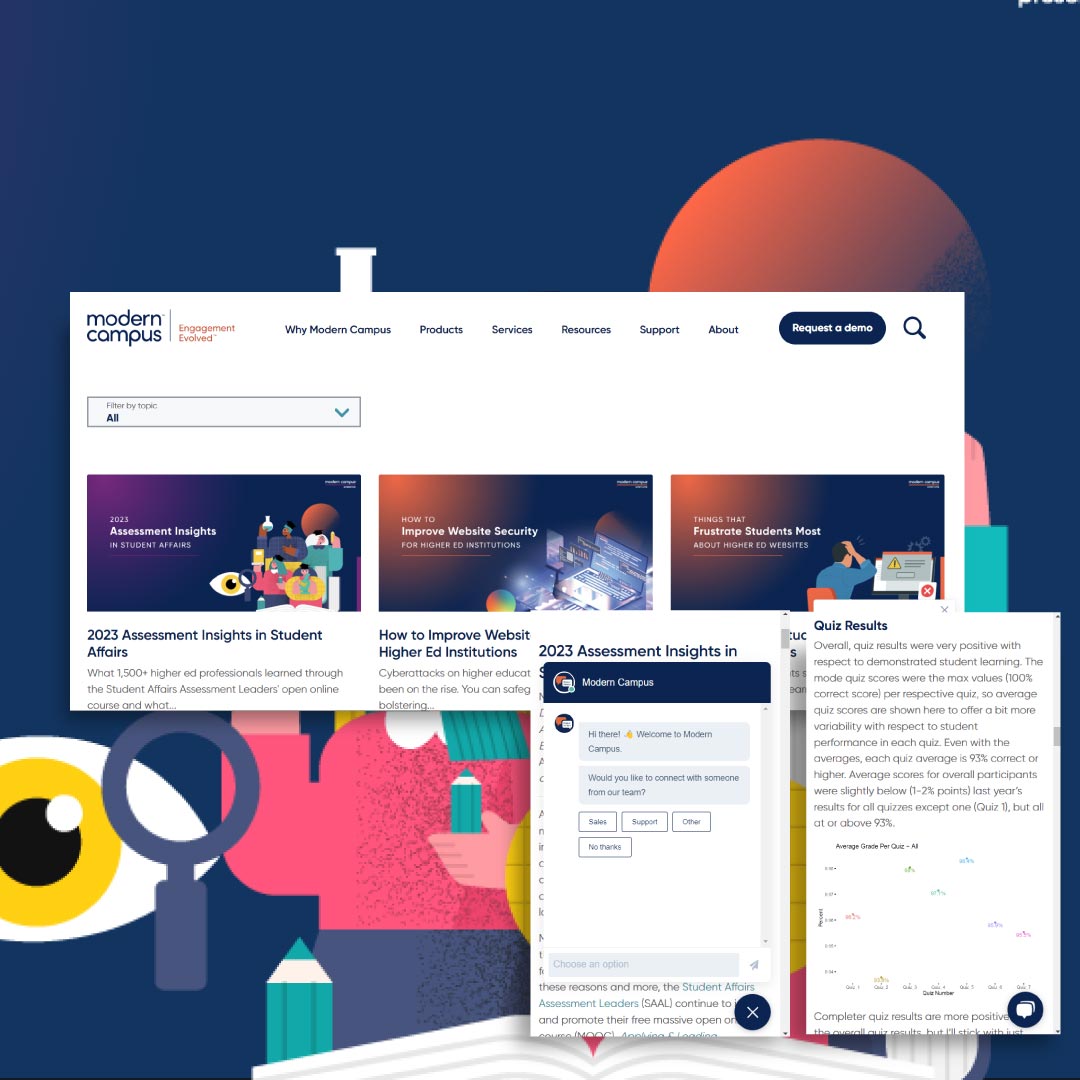
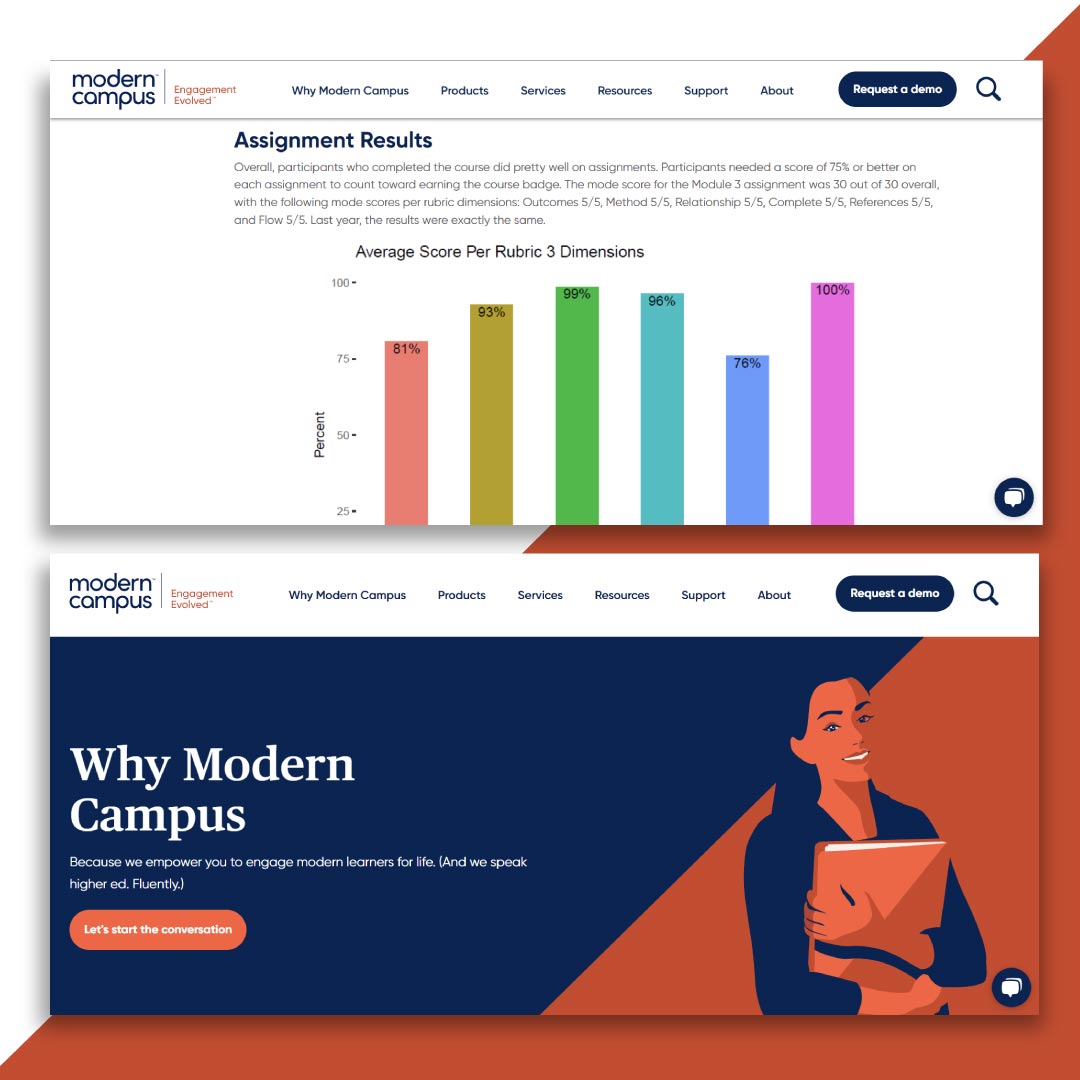
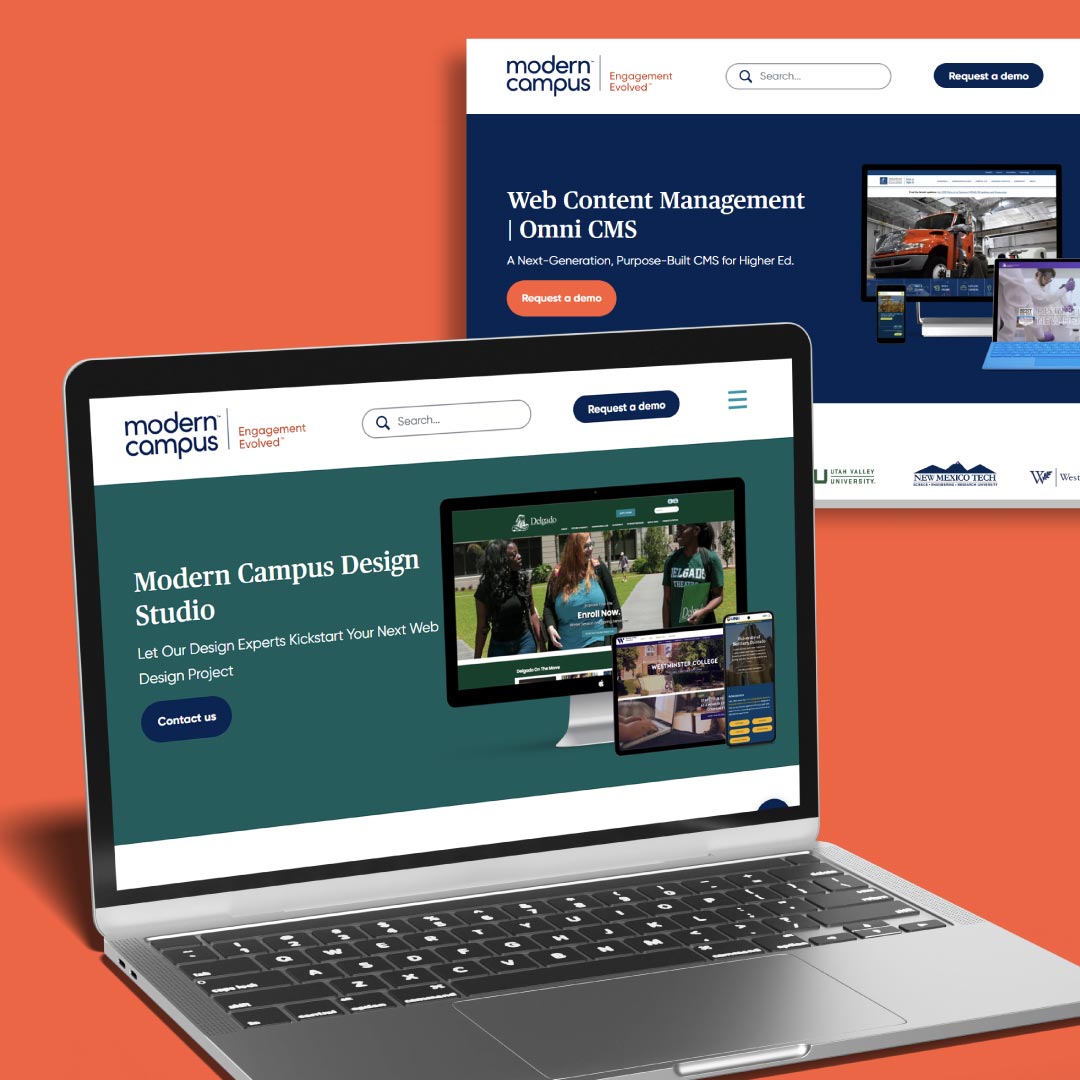
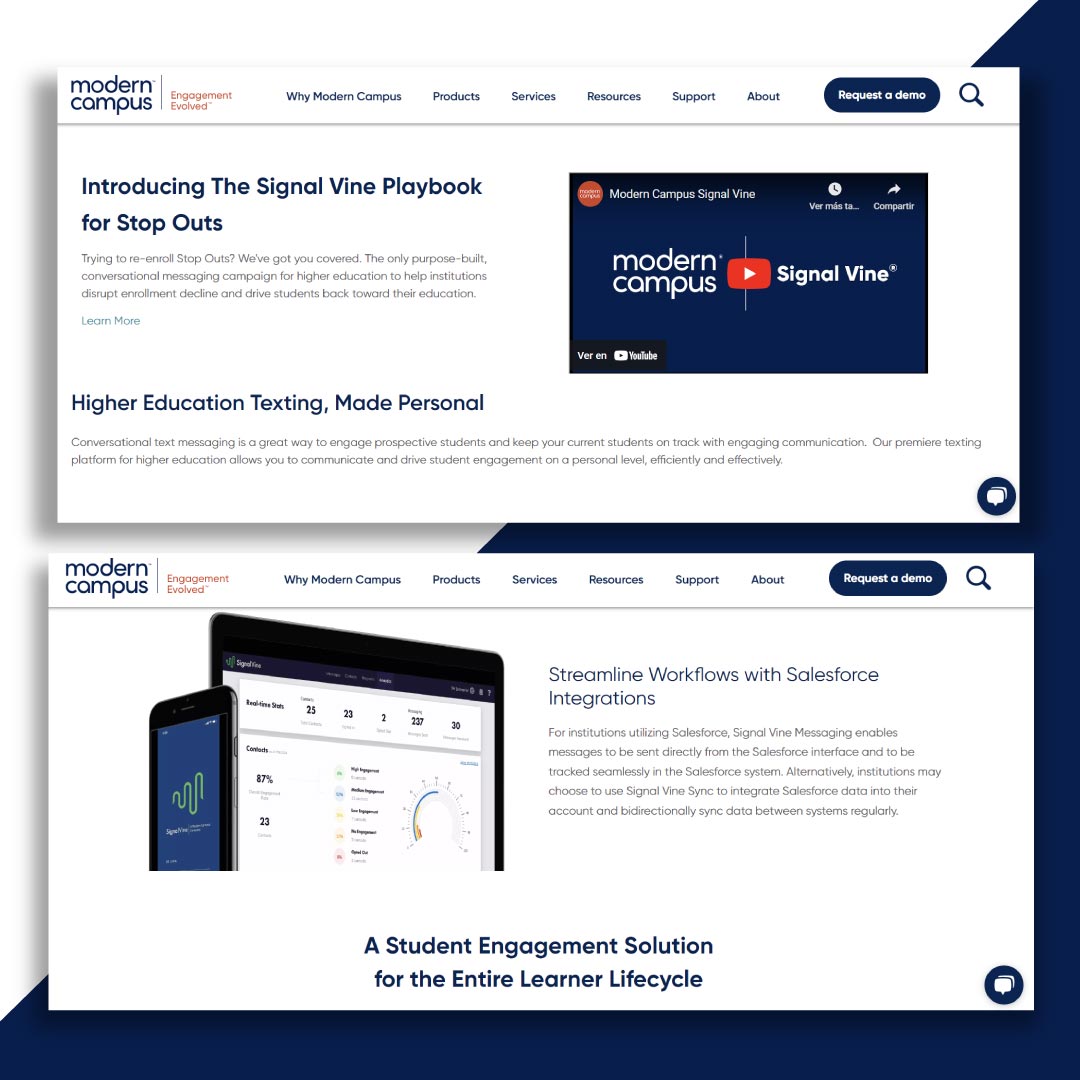
Modern Campus is a U.S.-based software company serving higher education institutions.
The company needed greater visibility and brand consistency, facing SEO issues, fragmented identity, and no ads strategy.
We optimized 40 URLs through keyword research, on-page SEO, and technical enhancements that reduced load times by up to 3 seconds.
In parallel, we refreshed Modern Campus’ brand identity, creating consistency across presentations, campaigns, and digital platforms. To complement organic growth, we also launched targeted ad campaigns that expanded reach, captured qualified leads, and reinforced the company’s market position as a trusted leader.

Modern Campus achieved exponential growth.
increase in organic traffic within 18 months.
keywords ranked on page 1 of Google.
increase in lead generation through optimized SEO and targeted ad campaigns.
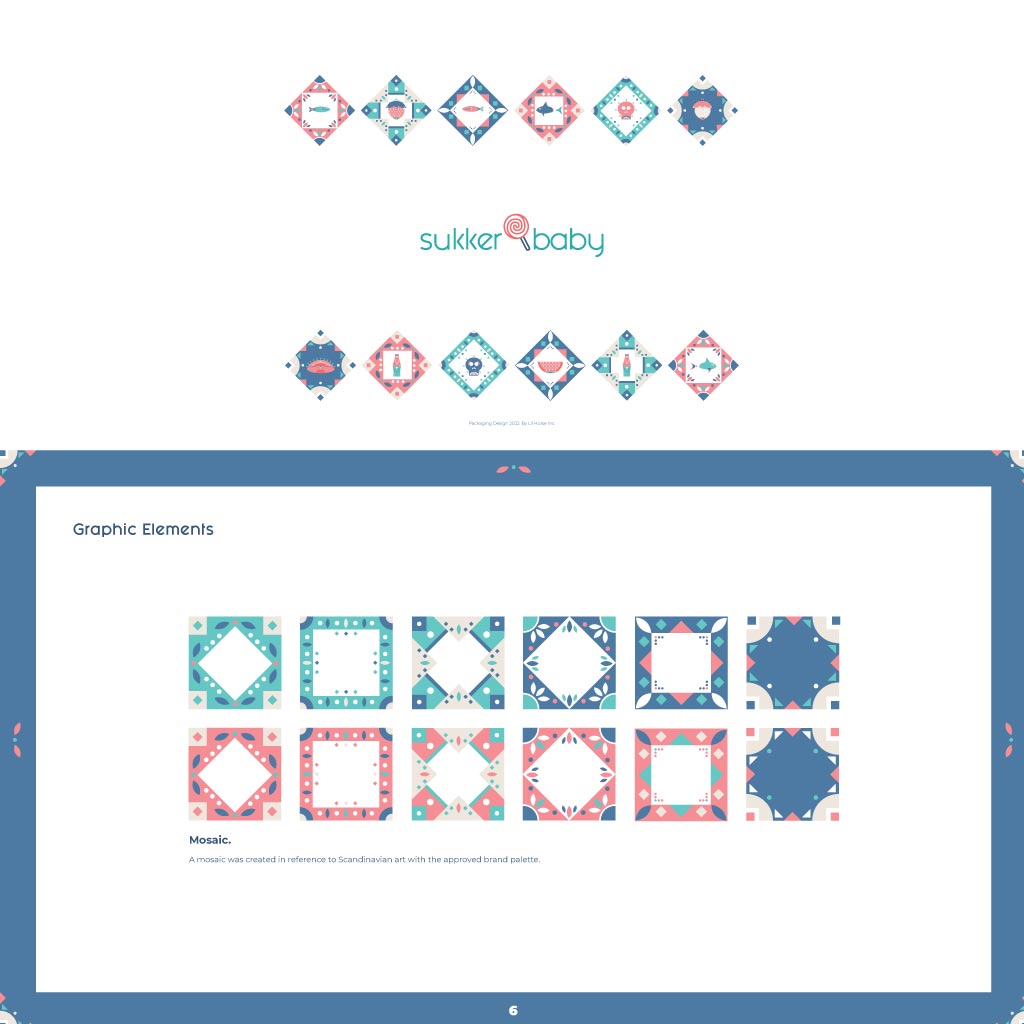
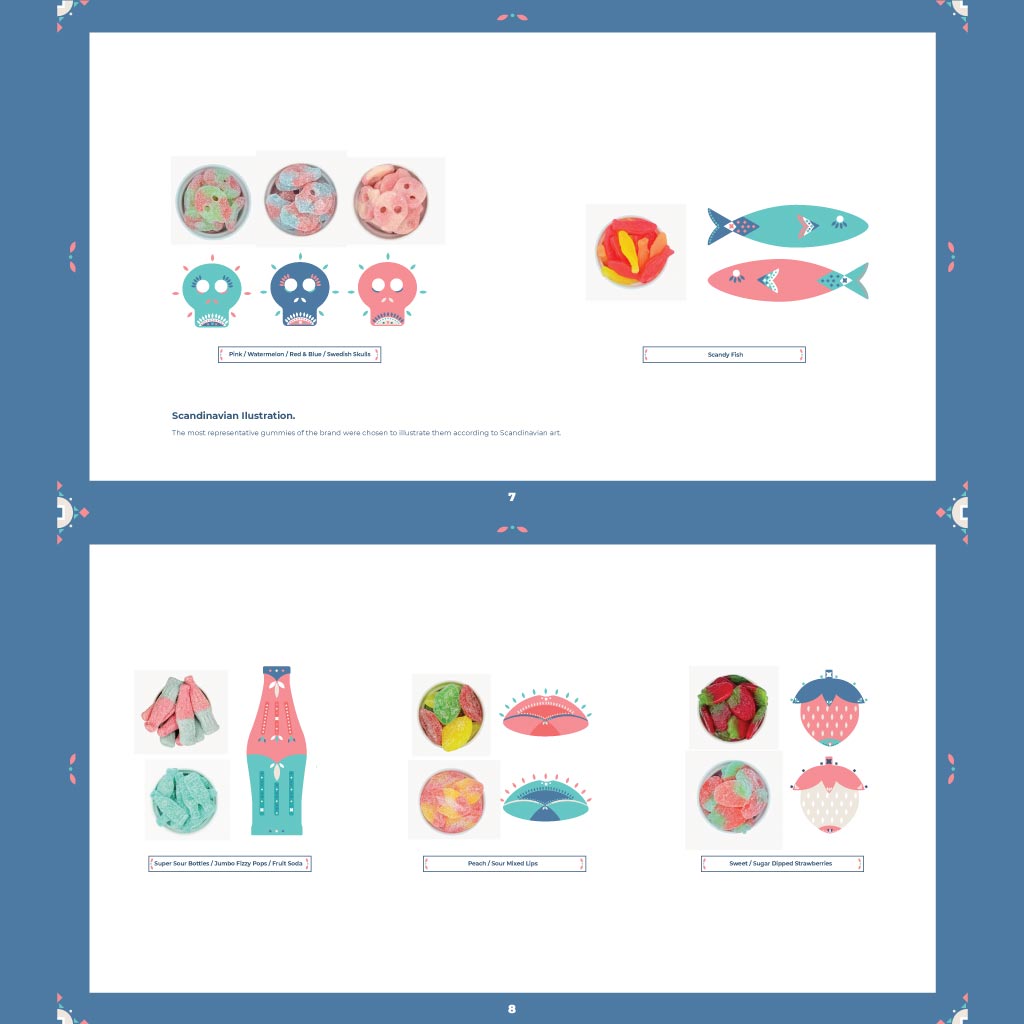
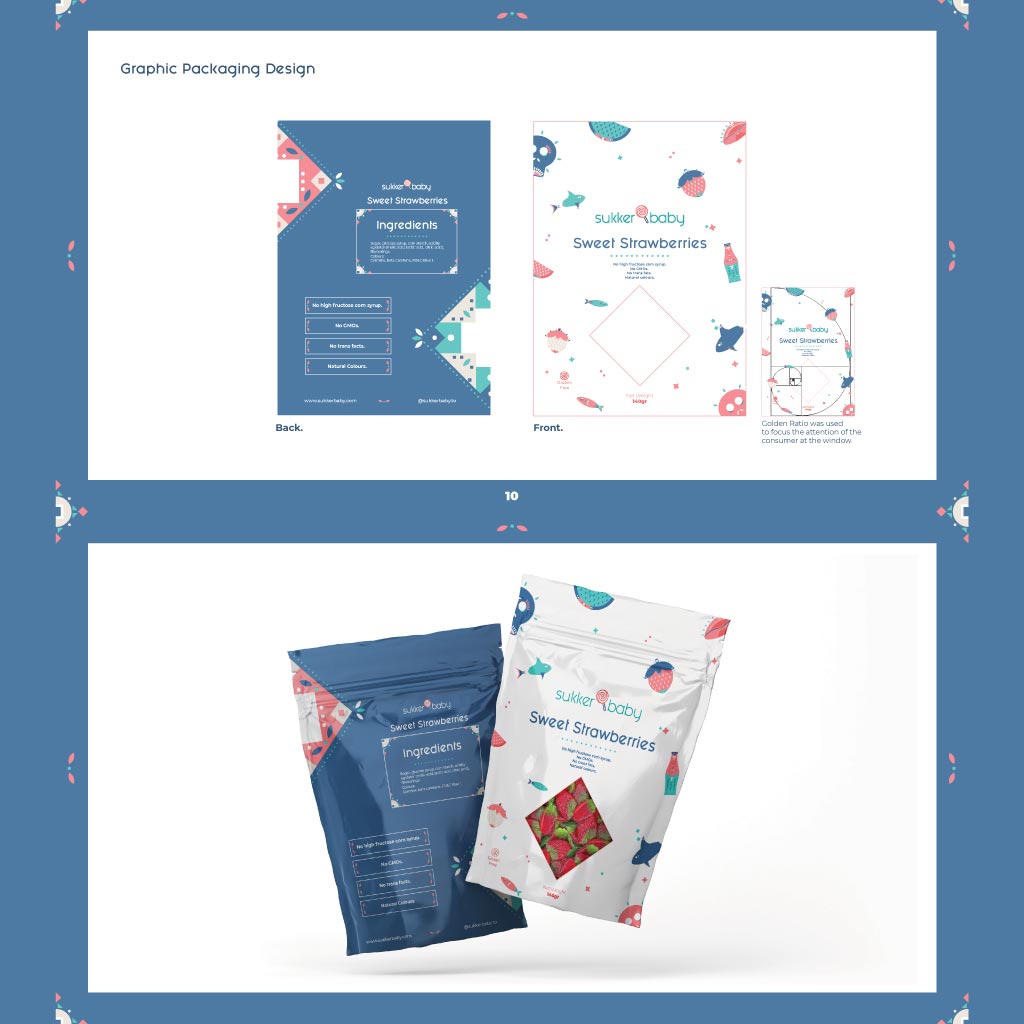
Sukker Baby is an e-commerce company that distributes healthy Swiss gummies in Canada and the United States.
The founders had a vision but no clear brand identity, online presence, or growth strategy to bring it to market.
We started by defining the brand’s essence and target audience. From there, we created a visual identity and packaging that captured the founders’ vision and built a website that combined storytelling with conversion.
Once the foundation was ready, we launched a marketing strategy centered on consistent storytelling and content across Instagram and TikTok. With twelve months of disciplined execution, Sukker Baby grew from an idea into a lifestyle brand.
Sukker Baby became a fast-growing lifestyle brand.
increase in online traffic within 12 months.
followers across Instagram and TikTok.
ROI in the first year
PHCentral is a logistics management platform designed for producers to streamline shipment scheduling and tracking.
The client struggled with delivery errors, no real-time driver updates, and the absence of a centralized system to track.
Our team built a centralized management software that provided real-time updates on shipment status and created an organized system for managers to review and validate deliveries. With dedicated dashboards and clear workflows, PHCentral eliminated delivery errors, improved efficiency, and gave managers full visibility into logistics.
The result was a robust, scalable platform that enhanced trust and delivered measurable business growth.
PHCentral transformed its logistics operations.
reduction in product delivery errors.
faster task execution for managers.
revenue growth fueled by error elimination.
StreamAgency is a software platform that provides real-time sales and customer support through video streaming.
The founders needed a scalable platform that could replace chatbots with authentic human interactions.
We worked closely with the StreamAgency team to transform their vision into a fully functional SaaS product.
Our designers and developers built a platform where live sales representatives appear on video and interact directly with visitors through integrated chat. This reduced response times, improved customer engagement, and provided a human-first approach to digital sales.
StreamAgency achieved stronger customer engagement.
increase in conversion rates within 6 months.
reduction in response times. in response times.
businesses adopted the platform within its first year.
A fast-growing SaaS platform delivering financial intelligence to investors and professionals.
The company lacked clear pricing, had limited distribution channels, and needed scalable systems to accelerate growth.
As a fractional CMO, Lil Horse restructured pricing with a new tiered model to clarify product value and improve conversions.
We launched multi-channel campaigns, combined performance marketing with a content-first strategy, and optimized messaging across digital touchpoints. Finally, we built scalable systems for lead generation and community engagement, setting the foundation for sustained growth.
Verde Retail unlocked growth and efficiency.
new account sign-ups in under 180 days.
impressions across campaigns within 3 months.
increase in conversion rates.
A fast-growing SaaS company serving the healthcare sector, needing to align strategy, operations, and technology for scale.
With no in-house CMO, CTO, or COO, the company faced inconsistent growth strategies, fragmented systems, and rising costs.
Lil Horse provided fractional CMO, CTO, and COO support over a 12-month engagement. We rebuilt the go-to-market strategy, optimized internal processes for efficiency, and modernized the technology stack for scalability.
Alongside these changes, we prepared the leadership team with clear reporting and growth metrics that boosted investor confidence. The result was a company positioned for long-term growth and profitability.
The Saas Company scaled its business operations.
revenue growth in 18 months.
reduction in operational costs.
A fast-growing SaaS platform delivering financial intelligence to investors and professionals.
The company lacked clear pricing, had limited distribution channels, and needed scalable systems to accelerate growth.
As a fractional CMO, Lil Horse restructured pricing with a new tiered model to clarify product value and improve conversions.
We launched multi-channel campaigns, combined performance marketing with a content-first strategy, and optimized messaging across digital touchpoints. Finally, we built scalable systems for lead generation and community engagement, setting the foundation for sustained growth.
Verde Retail unlocked growth and efficiency.
new account sign-ups in under 180 days.
impressions across campaigns within 3 months.
increase in conversion rates.
A logistics platform focused on last-mile delivery, looking to streamline operations, reduce costs, and scale performance.
Manual scheduling and reporting slowed operations, increased costs, and limited scalability.
Lil Horse implemented AI Agents to handle repetitive tasks such as scheduling, status updates, and report generation.
The agents were seamlessly integrated with the company’s existing ERP and communications platforms, enabling real-time updates and data-driven decision-making. By combining automation with targeted consulting, the logistics platform boosted efficiency and client satisfaction while building a scalable foundation for growth.
The logistics platform improved its operations.
reduction in operational costs within 9 months.
faster vendor communications and scheduling.
increase in on-time deliveries.
Sukker Baby is an e-commerce company that distributes healthy Swiss gummies in Canada and the United States.
The founders had a vision but no clear brand identity, online presence, or growth strategy to bring it to market.
We started by defining the brand’s essence and target audience. From there, we created a visual identity and packaging that captured the founders’ vision and built a website that combined storytelling with conversion.
Once the foundation was ready, we launched a marketing strategy centered on consistent storytelling and content across Instagram and TikTok. With twelve months of disciplined execution, Sukker Baby grew from an idea into a lifestyle brand.
Sukker Baby became a fast-growing lifestyle brand.
increase in online traffic within 12 months.
followers across Instagram and TikTok.
ROI in the first year
StreamAgency is a software platform that provides real-time sales and customer support through video streaming.
The founders needed a scalable platform that could replace chatbots with authentic human interactions.
We worked closely with the StreamAgency team to transform their vision into a fully functional SaaS product.
Our designers and developers built a platform where live sales representatives appear on video and interact directly with visitors through integrated chat. This reduced response times, improved customer engagement, and provided a human-first approach to digital sales.
StreamAgency achieved stronger customer engagement.
increase in conversion rates within 6 months.
reduction in response times.
businesses adopted the platform within its first year.

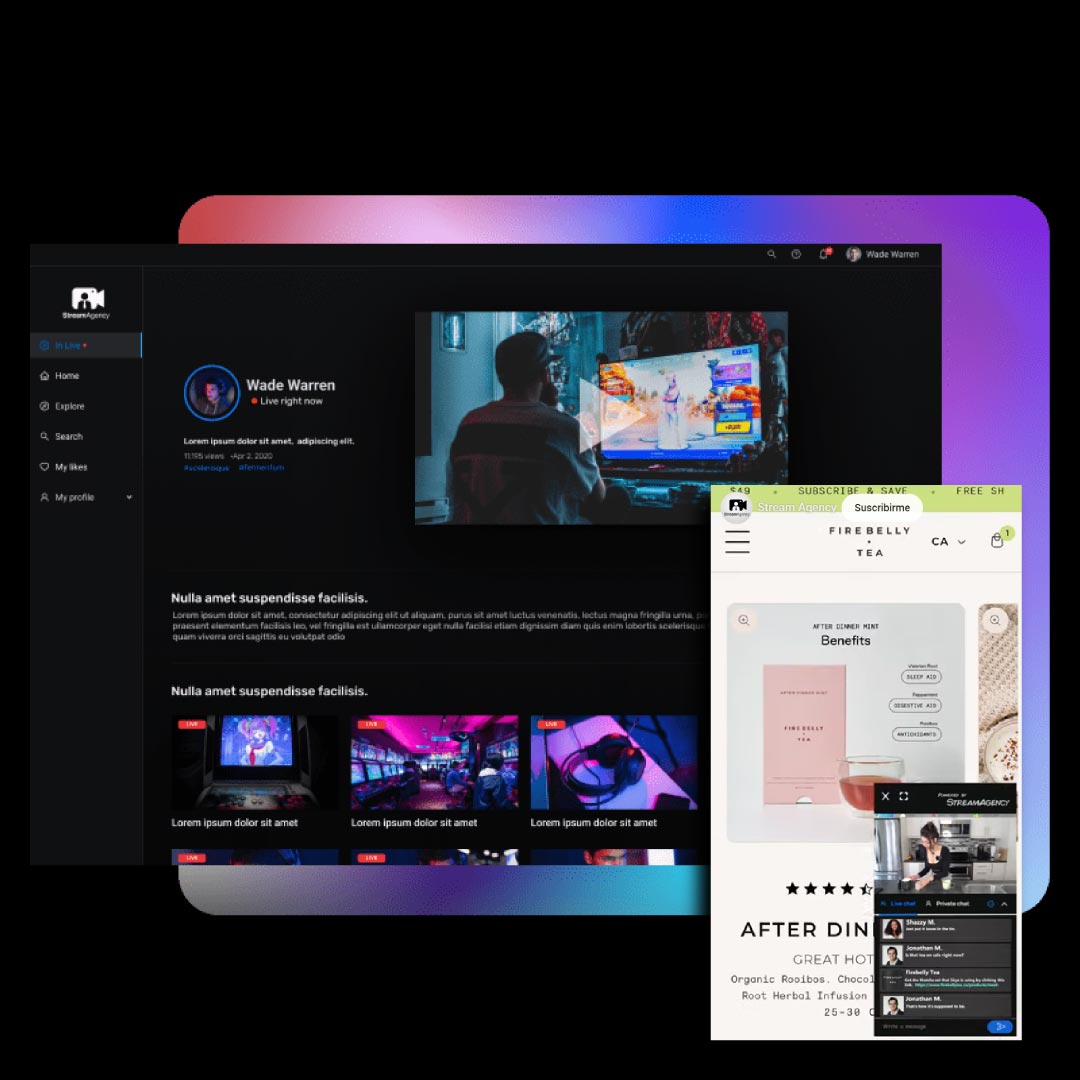
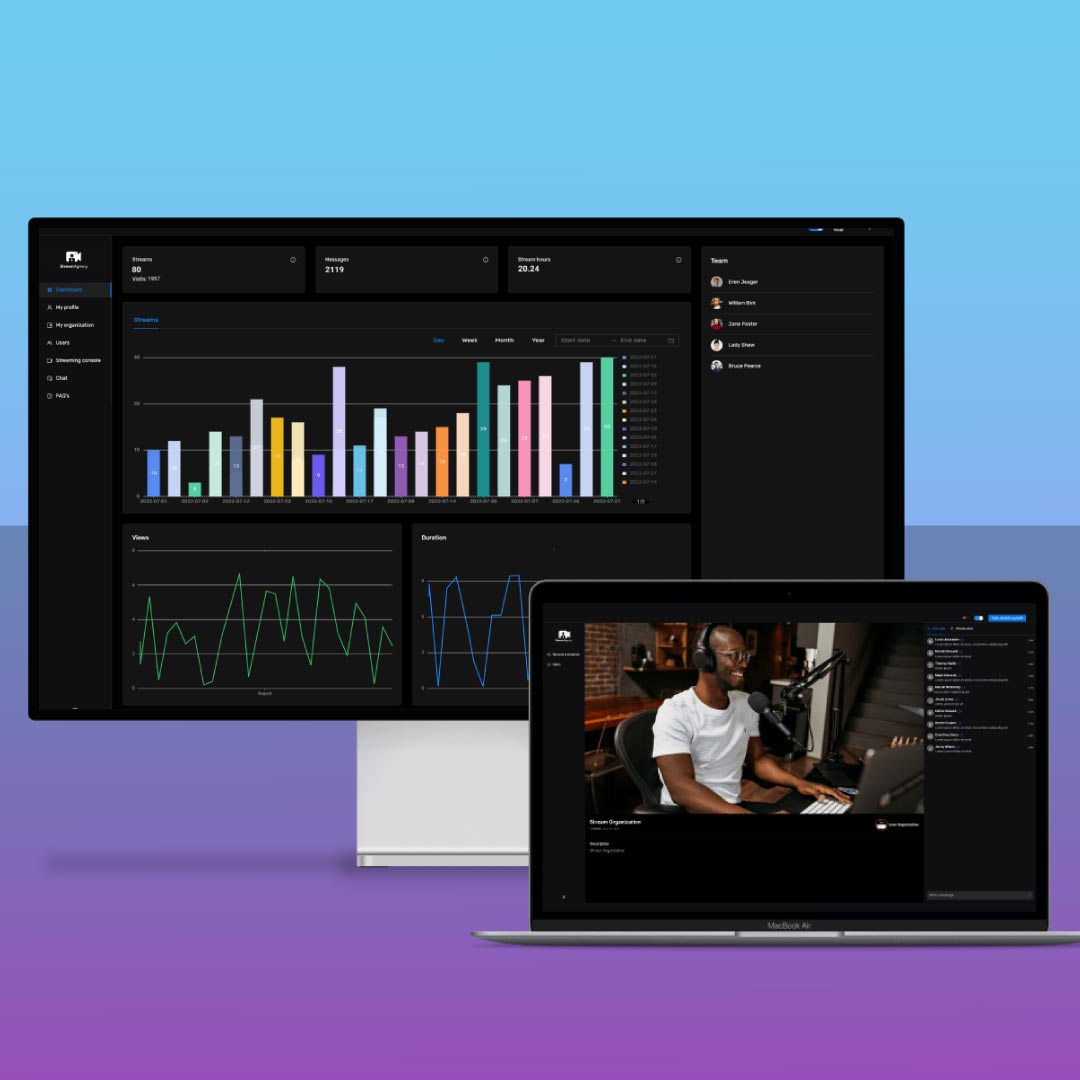
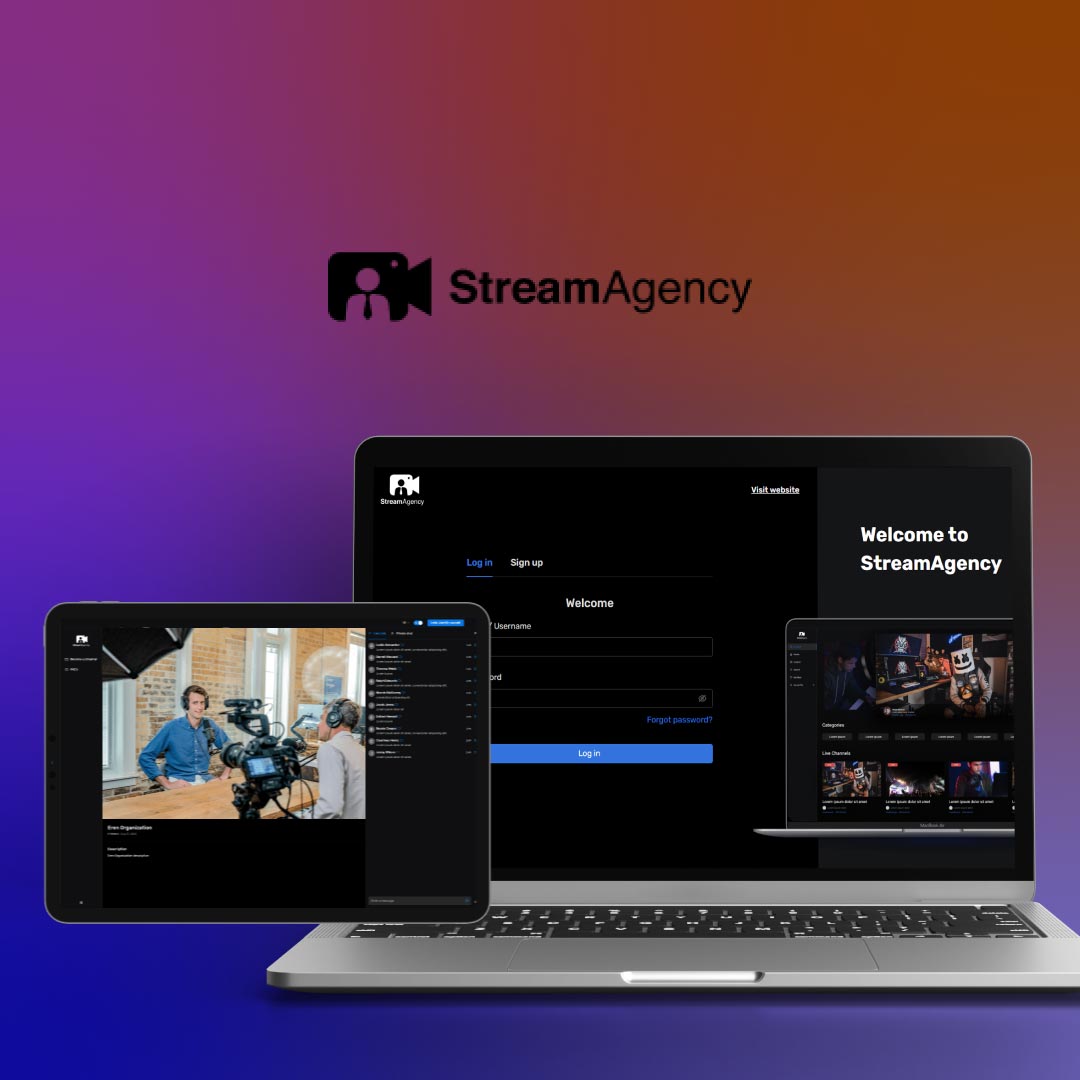
StreamAgency is an innovative software solution that provides real-time sales support to website visitors through video streaming. With StreamAgency, businesses can provide high-quality customer service and support while increasing conversion rates and revenue.
The client is a financial services provider that specializes in offering tailored lending solutions. They needed a platform to enhance transparency and streamline the management of loans for both lenders and borrowers.
The client sought a comprehensive system to manage loan details, including terms, balances, and transactions. They required a solution that would automatically accrue interest and provide users with real-time access to their account information.
Our team developed the Investor Portal, a robust application designed to manage all aspects of loan bookkeeping and reporting. The platform tracks loans in real-time, automatically handles interest accrual, and offers detailed reporting. Users can log in at any time to monitor their accounts, ensuring complete transparency and accurate record-keeping.
The implementation of the Investor Portal resulted in improved efficiency and accuracy in loan management. The platform’s real-time tracking and detailed reporting tools provided the client with the transparency they needed, enhancing trust and satisfaction among both lenders and borrowers.
The client is a nonprofit organization that facilitates public donations, particularly for items like furniture and clothing. They needed a solution to streamline donation management and optimize the pick-up process for their drivers.
The client required a system to efficiently manage donation submissions and convert them into optimized routes for their drivers. The goal was to ensure timely pickups while reducing the operational burden and improving the overall donation process.
We developed the Donations Manager, an application that organizes all donation submissions and automatically generates the most efficient routes for drivers. The platform provides turn-by-turn navigation, ensuring that drivers can pick up donations quickly and effectively, while eliminating the possibility of missed or double bookings.
The Donations Manager significantly improved the client’s operational efficiency. Drivers were able to complete their routes more quickly, reducing fuel costs and increasing the number of donations collected. The streamlined process also led to higher donor satisfaction, as pickups were completed in a timely and reliable manner.
The client is a leading provider of rental properties and accommodations, specializing in offering unique and comfortable spaces for guests.
The client approached us with the need for a robust tool to manage accommodation bookings, both from Airbnb and direct bookings. The primary goal was to streamline the booking process, eliminate double bookings, and provide hosts with up-to-date reporting, all while integrating seamlessly with existing websites.
Understanding the client’s needs, our team developed a Booking Portal that integrates effortlessly with any website. The portal consolidates all bookings, manages availability in real-time, and provides comprehensive reporting. Built with a focus on reliability, the platform ensures hosts can manage their properties efficiently without the risk of overbooking.
The implementation of the Booking Portal led to significant improvements in booking management for the client. The risk of double bookings was eliminated, and the comprehensive reporting tools provided property managers with the insights needed to optimize operations. The streamlined process also enhanced the user experience, making direct bookings easier and more attractive to customers.















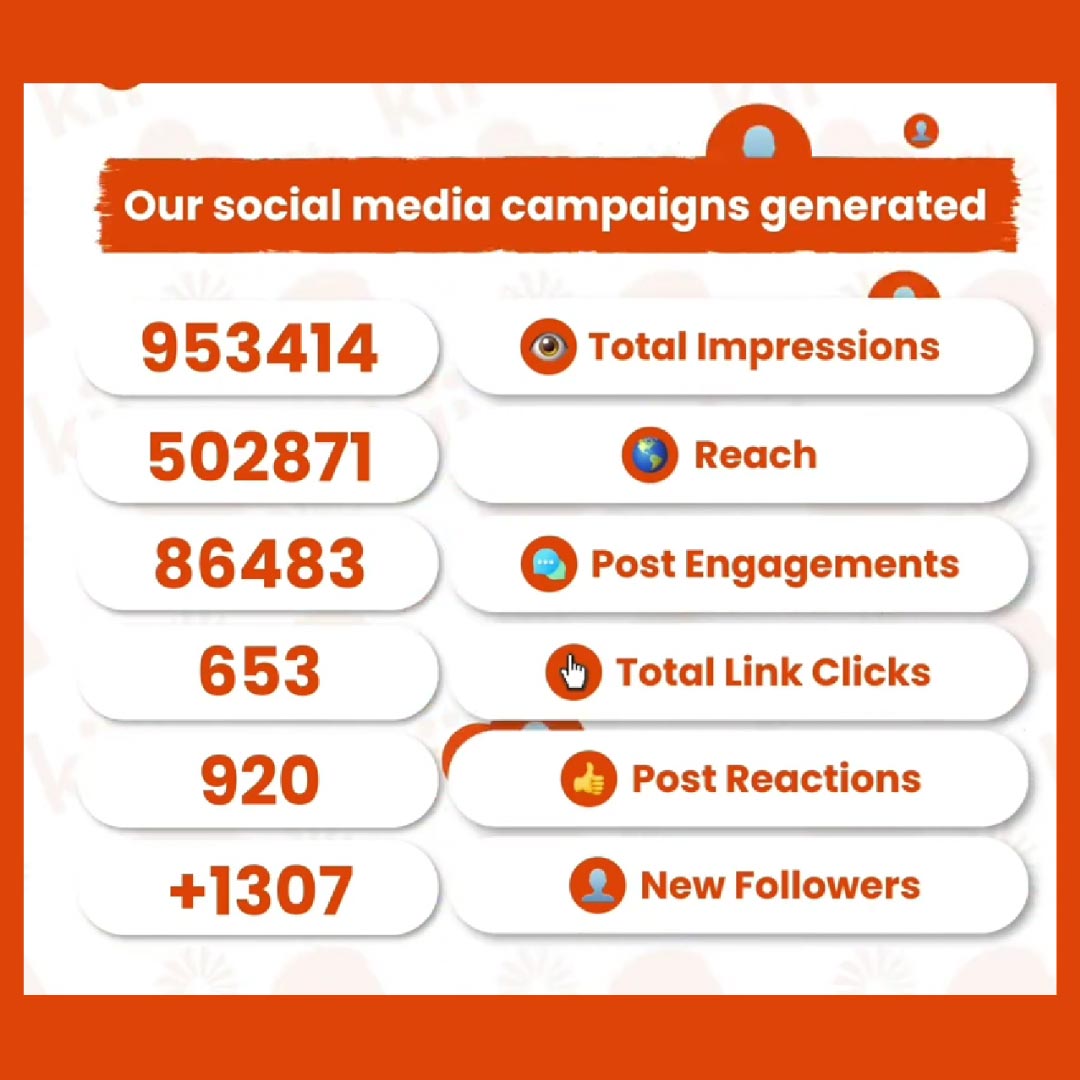
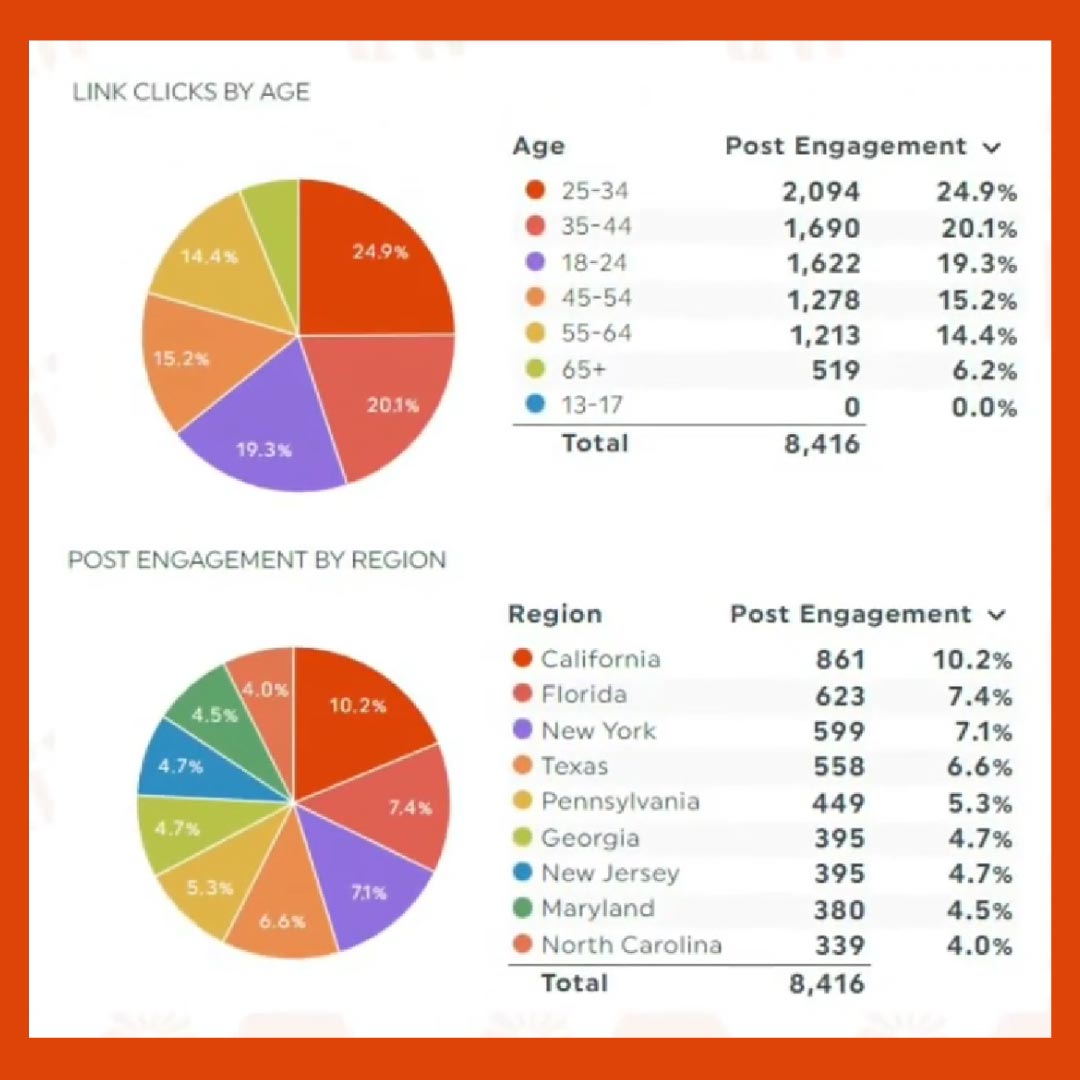
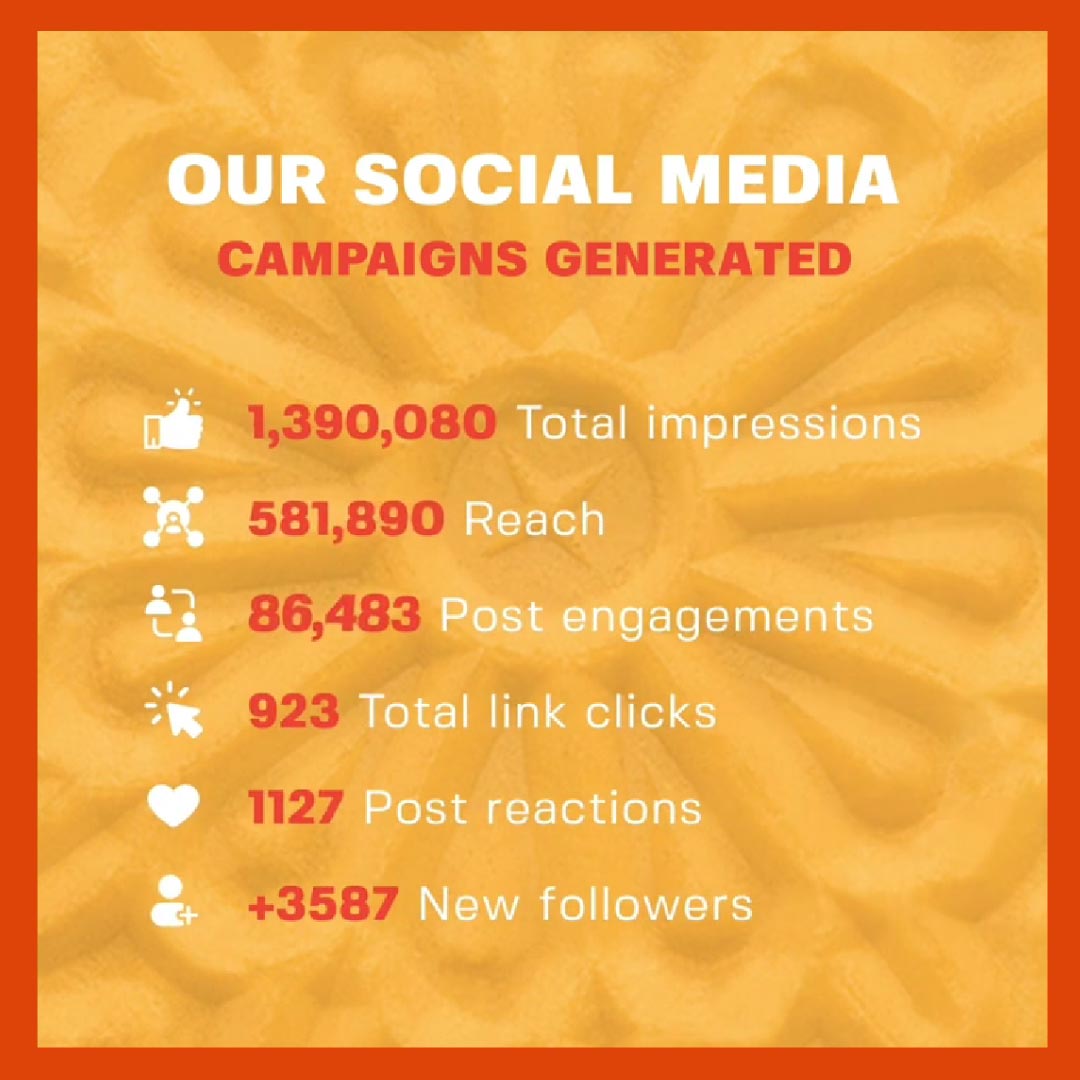

Nustef Baking is a cookie manufacturer that distributes two notable brands to Canada and the United States. These brands are Kii Naturals and Reko Pizzelle. They have an average annual turnover of 20 million and their products are very popular.
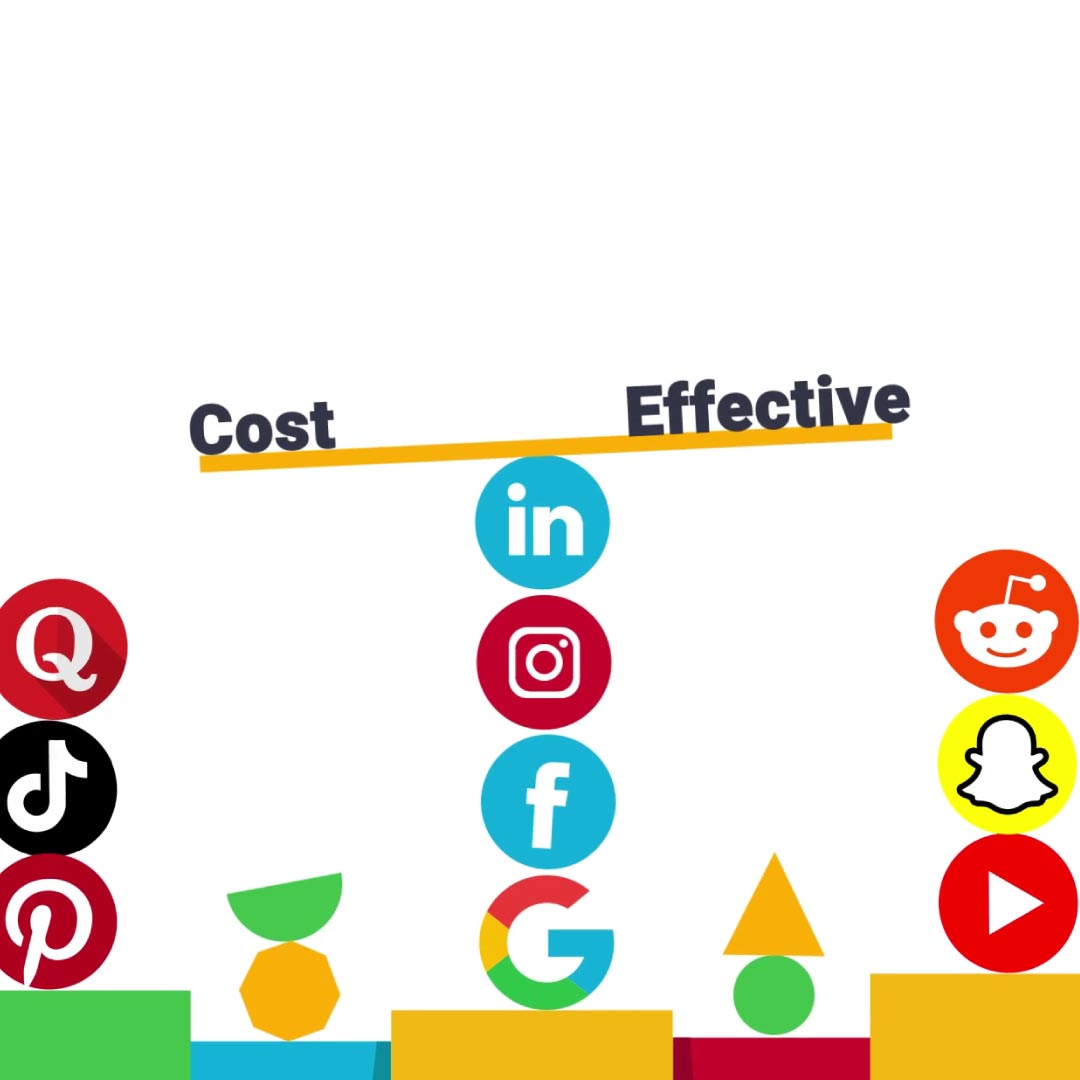
The strategy was based on creating a tree of topics for the content, each corresponding to specific subtopics and calls to action that invited the customer to make recipes and preparations with the cookies and additionally to know the location of the nearest store where they would find the product.
We created a system of testing and data analysis for the ads to improve the paid content every month. As part of this testing, a lot of video material was created, and we chose the theme based on the popularity of past content; after testing for a few days, we made the decision only to run the most popular posts and those that had the most engagement, ensuring that the cost per click was cheaper.

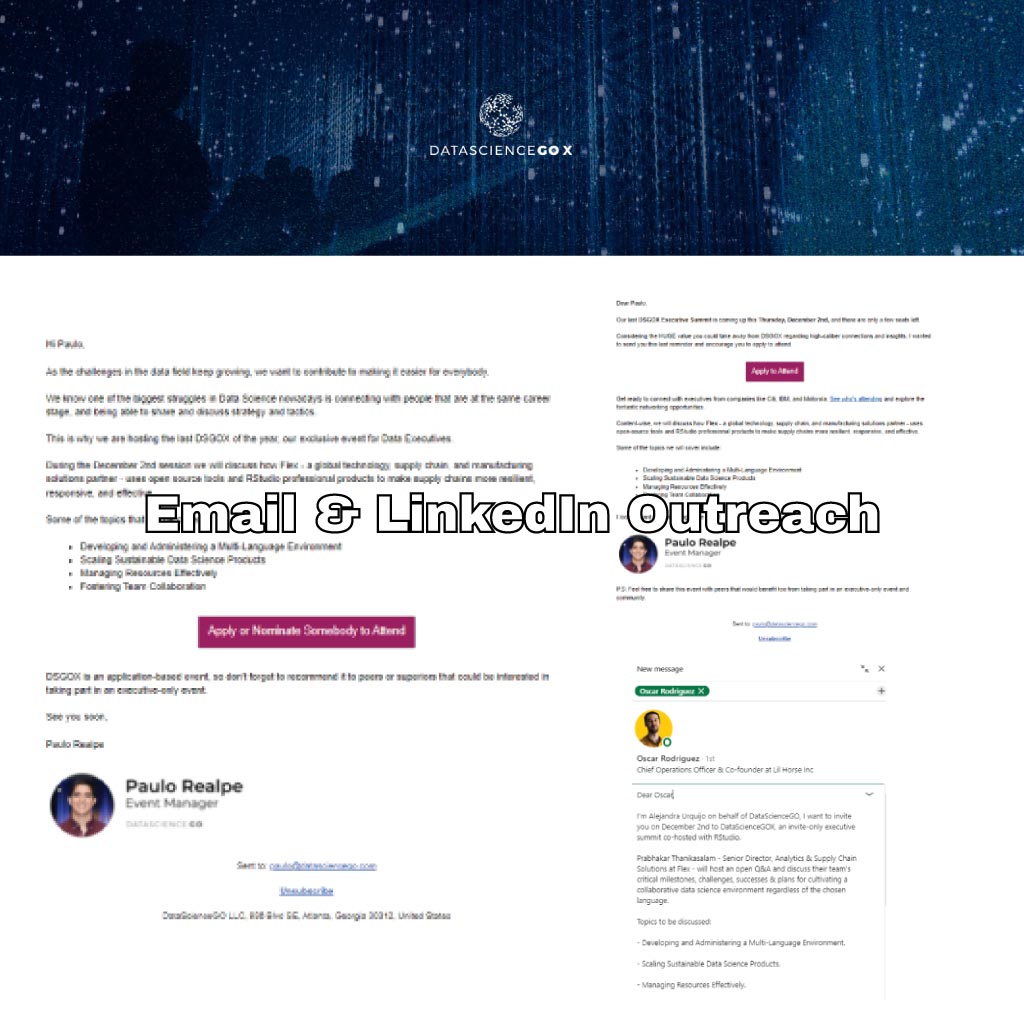

















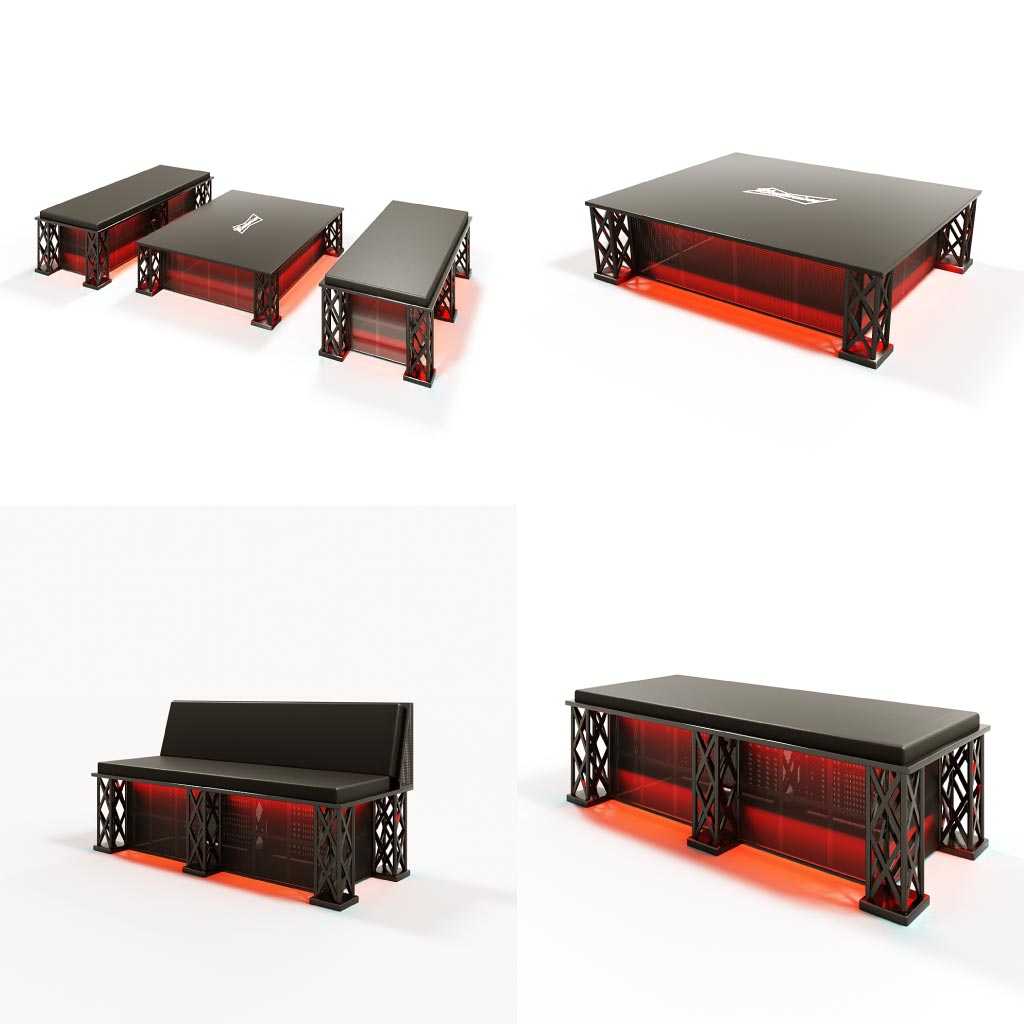













Budweiser is a medium-bodied, flavorful, crisp American-style lager brewed with the best barley malt and a blend of premium hop.










Fill in the form below to book a 30 min no-obligation consulting session.
I will reply within 24 hours.
Fill in the form below to book a 30 min no-obligation consulting session.
I will reply within 24 hours.
Fill in the form below to book a 30 min no-obligation consulting session.
I will reply within 24 hours.
Fill in the form below to book a 30 min no-obligation consulting session.
I will reply within 24 hours.